

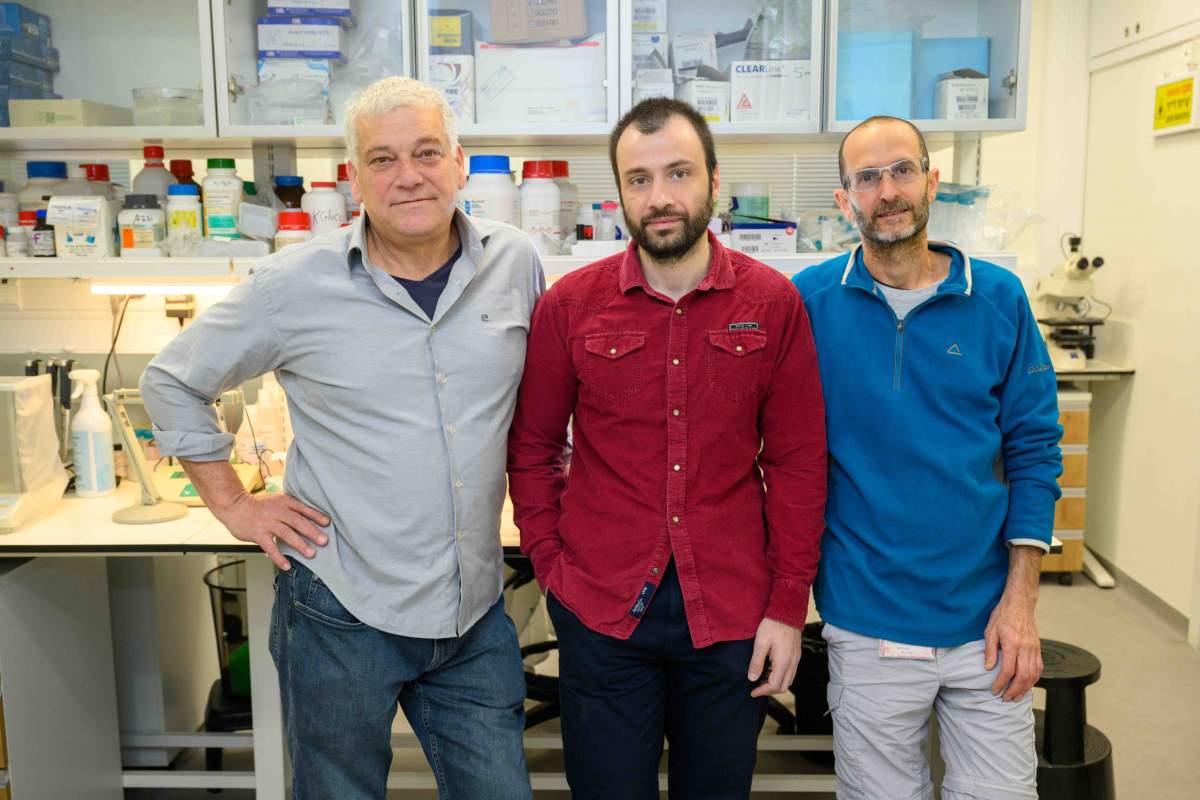
In a discovery that could reshape our understanding of sensory perception—and potentially aid the visually impaired—scientists at the Weizmann Institute of Science have found that mice use their whiskers not just to touch, but also to "hear." The study, led by Prof. Ilan Lampl and his team in the Brain Sciences Department, reveals that the act of “whisking” produces subtle sounds that mice can detect and interpret through their auditory cortex.
Traditionally, whiskers were thought to serve only a tactile function, helping mice navigate in the dark by brushing against surfaces. But using advanced AI models and neural imaging, the Weizmann team discovered that these movements generate faint acoustic signals. These sounds are then processed by the brain, effectively allowing mice to enhance their spatial awareness by combining touch and hearing.
This multisensory integration—where one sense amplifies another—is a powerful example of how animals adapt to their environments. The researchers believe their findings could inspire new technologies, such as assistive devices for the blind that translate touch into sound, or robotic sensors that mimic this dual-sensing mechanism for navigation in low-visibility conditions.
The study not only highlights the ingenuity of nature but also underscores the Weizmann Institute’s leadership in neuroscience and sensory research. By decoding how mice “hear” through their whiskers, these scientists are opening new doors in both biology and bio-inspired innovation.
A version of this article was originally published at Weizmann Wonder Wander. It has been picked up by Phys.org and ynet.