

According to Food Allergy Research & Education, more than 33 million Americans live with life-threatening food allergies, and every 10 seconds, a food allergy sends a person to an emergency room in the United States.
We often think of the immune system as a defense mechanism—fighting off infections and allergens. But what about the times it doesn’t react, like when we eat a salad or a slice of bread? A new study from the Weizmann Institute of Science reveals the hidden immune machinery that allows our bodies to tolerate food without launching an attack.
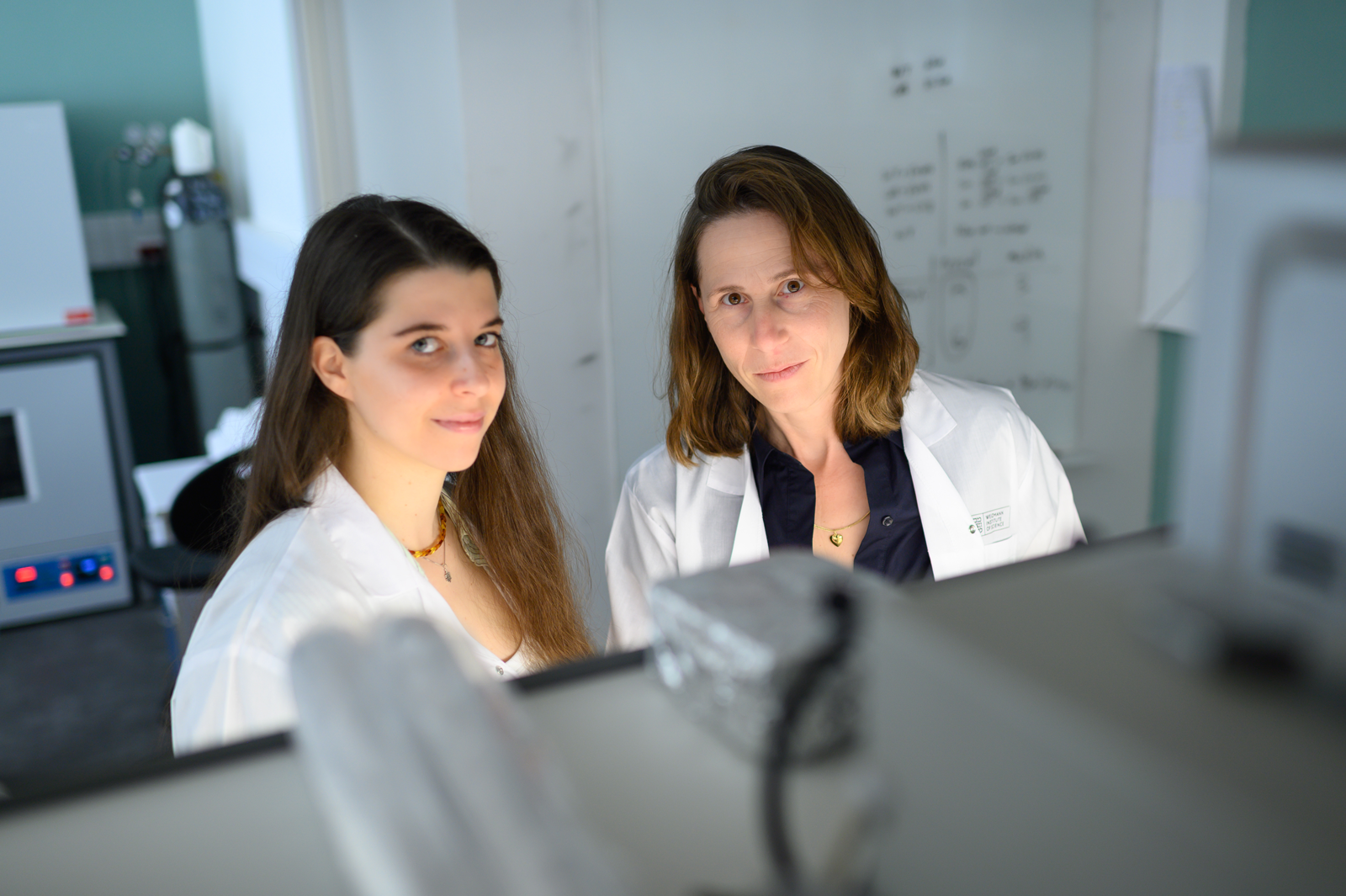
Led by Dr. Ranit Kedmi in the Systems Immunology Department, the research uncovers the cellular network behind oral tolerance—the immune system’s ability to recognize food as safe. While scientists long believed that dendritic cells were responsible for this process, Kedmi’s team discovered that a lesser-known group of immune cells, called ROR-gamma-t cells, actually play the starring role. When these cells were disabled in mice, the animals quickly developed food allergies, proving their essential function.
The study also shows that this tolerance begins before birth, as a fetus is exposed to food-derived molecules through the mother’s diet. It continues to develop through breastfeeding, solid foods, and interactions with gut bacteria. This lifelong process is crucial for preventing food allergies, sensitivities, and autoimmune conditions like celiac disease.
This breakthrough not only solves a long-standing scientific mystery but also opens new doors for treating food-related immune disorders. Once again, the Weizmann Institute demonstrates how deep curiosity and cutting-edge science can lead to discoveries that improve lives around the world.
A version of this article was originally published at Weizmann Wonder Wander.