

Cracks in materials may look chaotic, but new research from the Weizmann Institute of Science shows there’s a hidden order behind the disorder. In a groundbreaking study, physicists have uncovered the physical laws that explain why cracks often veer off their expected paths and form asymmetric, branching patterns. This discovery could pave the way for designing stronger, more resilient materials—from buildings to biomedical implants.
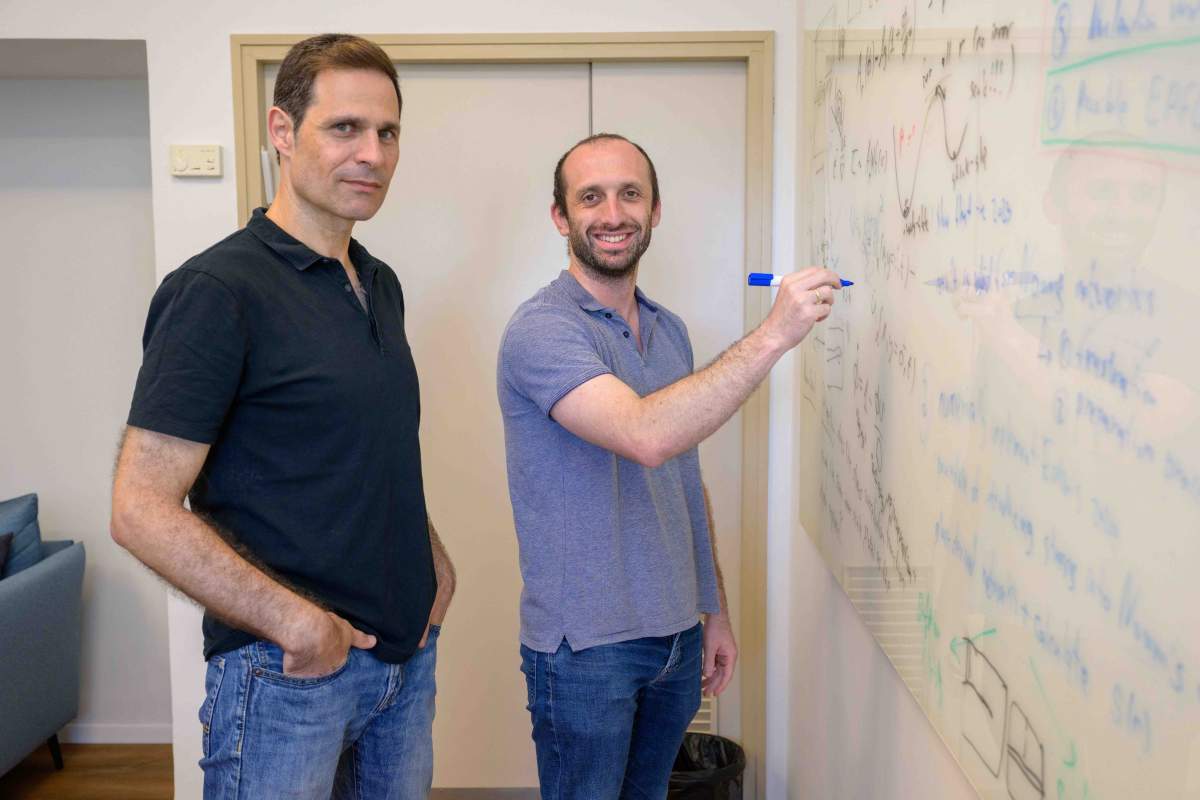
Led by Prof. Eran Bouchbinder and Dr. Yuri Lubomirsky, the team focused on the crack tip—the razor-thin boundary where intact material becomes fractured. While most of a material behaves predictably, the crack tip is a zone of extreme conditions, where forces and velocities approach infinity and conventional physics breaks down. By simulating crack propagation in 3D materials, the researchers found that disorder within the material—such as tiny imperfections—can actually slow down cracks and cause them to deviate from a straight path.
This insight challenges long-held assumptions in fracture mechanics. Previously, it was believed that cracks should naturally return to a symmetrical path even after encountering obstacles. But the Weizmann team’s findings show that internal disorder plays a crucial role in shaping how cracks evolve, and that this disorder may actually enhance a material’s resistance to catastrophic failure.
The implications are vast: by understanding how cracks behave at the microscopic level, scientists and engineers can better design materials that resist breaking under stress. For example, predicting how and where cracks will form in materials like concrete or steel can help prevent catastrophic failures in buildings, bridges, and dams. In prosthetics, dental implants, and bone scaffolds, understanding crack behavior can lead to more reliable and longer-lasting materials.
Nature may already be ahead of us—materials like bone and tooth enamel are full of internal disorder, which may be the secret to their durability. Thanks to this research, we’re one step closer to mimicking that resilience in human-made materials.
A version of this article was originally published at Weizmann Wonder Wander. It was picked up by ynet, Phys.org, and Nano Werk.